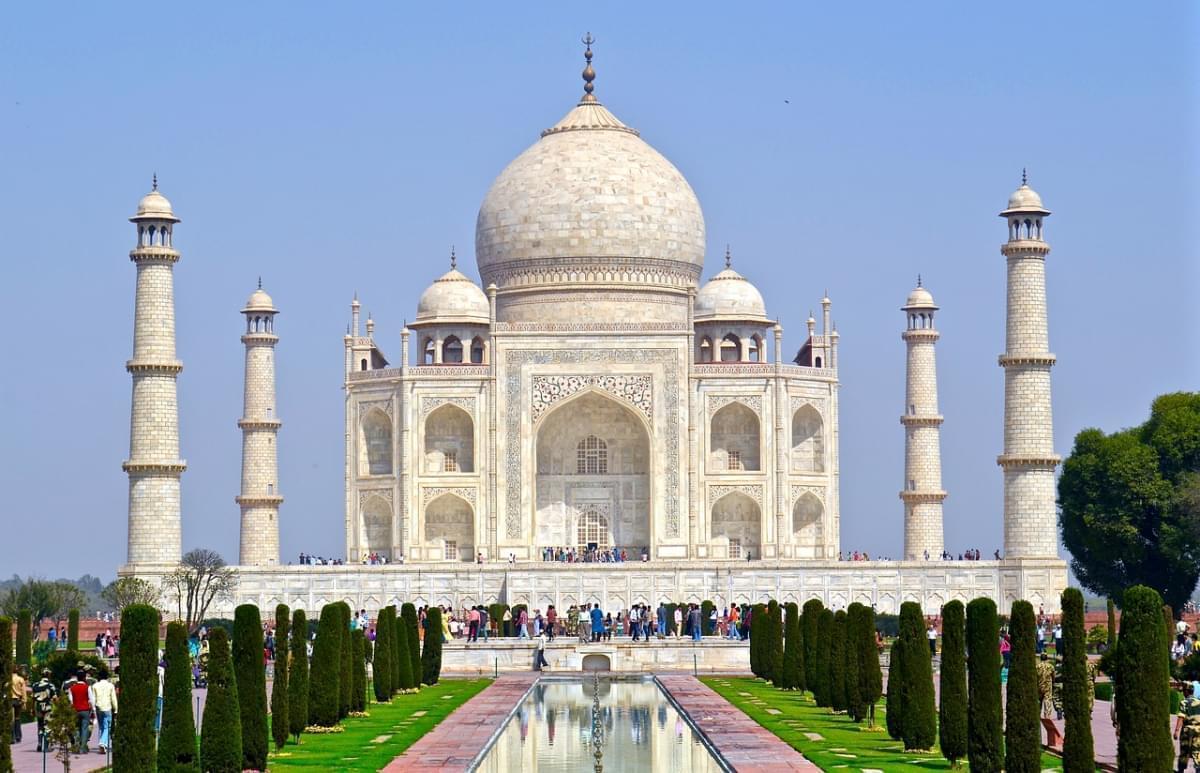
 A magical land. Spirituality, mysticism, magnificent palaces, slums, bright colours. And again, the pungent smells of spices, rickshaws, clogged streets, skyscrapers in the richest districts and cows crossing the road. A country of a thousand contrasts, so strong that they touch the visitor and cannot leave him indifferent. But in addition to these emotional aspects, India is an enormous country, which, precisely because of its vastness, presents totally different climates and landscapes.
One often hears that one has to 'be ready' for a trip to India. I would add that you will never be ready enough. Here is a series of useful tips for organising a trip to India: useful information, safety and recommended itineraries.
Travelling informed: useful info
Inhabitants: 1.353 billion
Capital: New Dehli
Languages: official Hindi and English; languages used and recognised by the Constitution in total 23
Local currency: Indian rupee (INR) / Exchange rate: €1.00 = 87.25 INR
Time zone: + 5.30 UTC. + 4.30 hours compared to Italy, + 3.30 when daylight saving time applies in Italy
Distance from Italy: 5,917 km (7 h 30 min flight) from Rome to the capital
When to go? Climate and best time
Regardless of cost, the climate factor must prevail when choosing a trip to India.
Considering the vastness and great variety of landscapes in the country, there are considerable climatic differences from one region to another in India. Basically, three seasons can be recognised: a hot and sultry summer (March to end of May), the monsoon season (June to end of October) and a cool and sunny winter (November to end of February).
It is precisely the cool season that is most recommended for a classic trip. In the mornings and evenings, it is quite cold and even foggy; during the day, however, temperatures rise but are not torrid and make it possible to visit the various attractions with ease. Some of the most important events are also held during this period, such as theHoli Festival (very famous festival of colours held in March), Diwali (Festival of Lights lasting five days between October and November) and the Bikaner Camel Festival (colourful camel festival in the Rajasthan desert held in January).
Climate: tropical and dominated by monsoons, which determine a dry and a rainy season. The wettest period is from July to September; in the south-east of the country, the monsoon lasts until the end of the year. In summer, temperatures can reach 48°.
Best period: For a complete tour or for classic Rajasthan, we recommend winter, i.e. the months between November and February, which correspond to the cool and dry season.
Period to avoid: March to the end of May for hot and sultry temperatures, June to the end of October for heavy rains
What to see in India: must-see cities and attractions
1 - Delhi, New Dheli and Red Fort
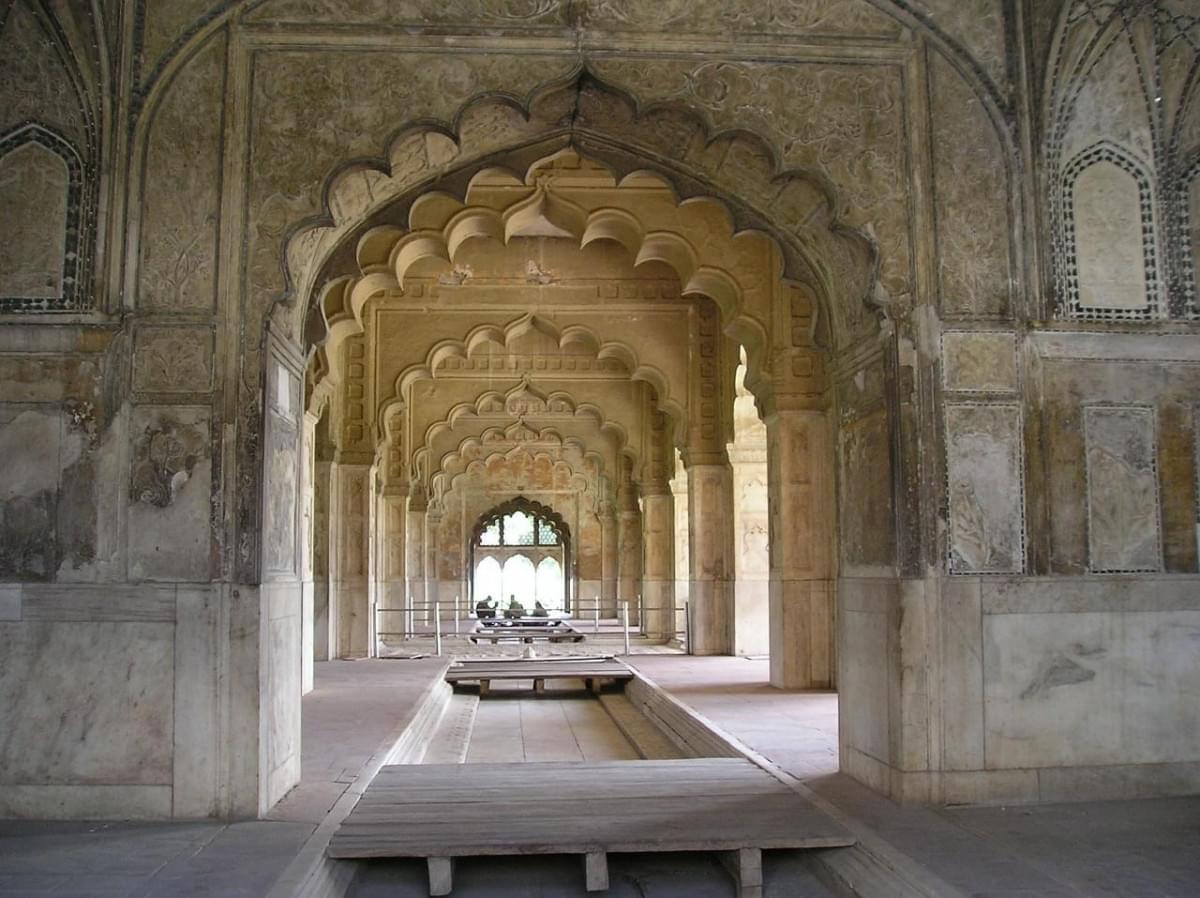 A mix of intertwining and overlapping cultures has made Delhi a fascinating and mysterious place over the centuries. The urban district of Delhi comprises the old city and the more recent urban agglomeration, the capital New Delhi .
Dehli is an endless and hectic area, and it is really unlikely, if not impossible, to see it all. One of the symbols is the Red Fort, residence of the Mughal empire, in fantastic colours. but the Jama Masjid mosque and the Bahai Lotus Temple are also worth a visit.
At every street corner, moreover, there seems to be a market to be discovered, if only to immerse oneself in the frenzy of sounds, colours and smells that are, after all, the meaning of the real India.
2 - Agra and the Taj Mahal
It is located in the state of Uttar Pradesh, about 200 km from New Delhi and has a population of 1,259,979. It was the capital of theMughal Empire from the 16th to the 18th century, and today is most famous for being home to the world-famous Taj Mahal.
This splendid building, one of the symbols of India, was built in 1632 as a mausoleum by the Mughal emperor Shah Jahan in honour of his favourite wife. Universally regarded as one of the most splendid examples of Muslim architecture in the world, it is a UNESCO World Heritage Site and part of the Seven Wonders of Planet Earth.
Apart from the Taj Mahal, other major attractions are the Red Fort and Akbar's tomb.
3 - Jaipur, Amber Fort and Hawa Mahal
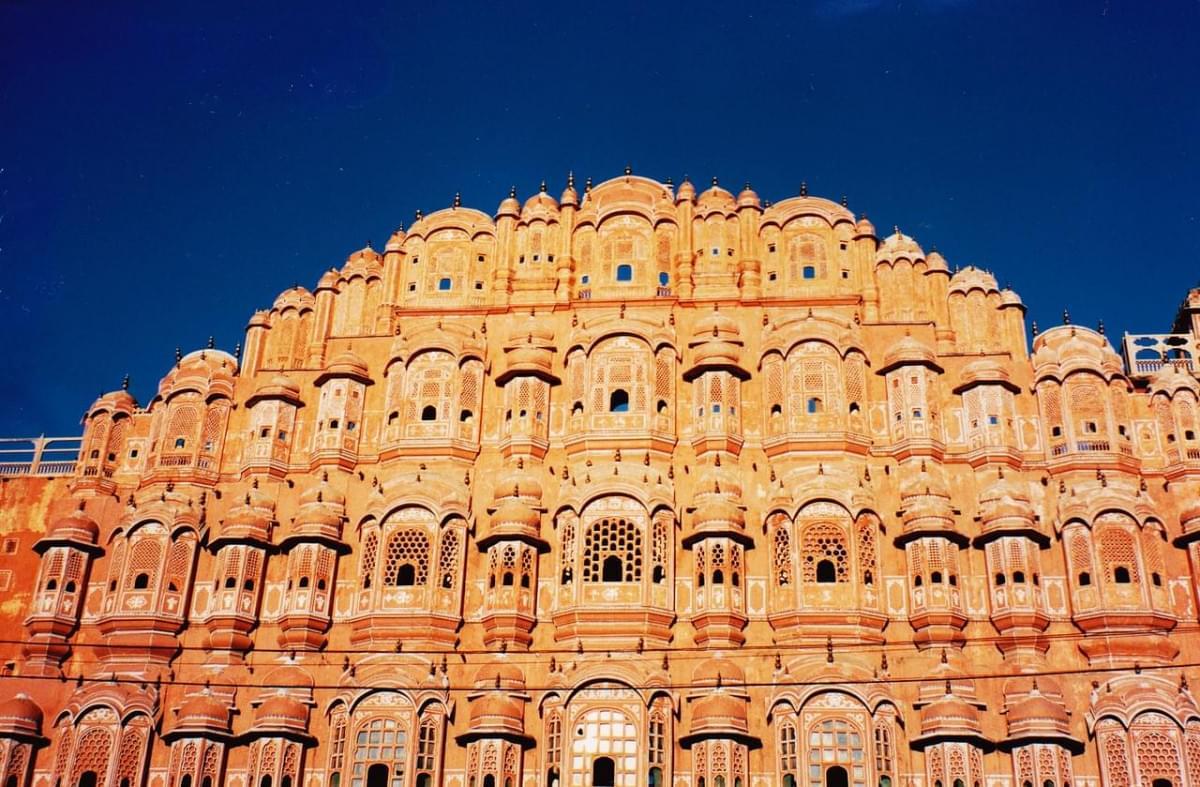 It is thecapital of Rajasthan, a word that means'Land of Kings', and it fits perfectly as this Indian federated state was the ancient Kingdom of the Maharajas and one of the most spectacular regions of India.
Its capital is also the most populous centre in this area(around 3 million inhabitants) and holds some of the most interesting and spectacular sights in the entire region. The Hawa Mahal (also known as the Palace of the Winds or the Palace of the Breeze) is shaped like the crown of the god Krishna, consists of 953 jharokha or windows and has a richly decorated façade resembling a honeycomb of a beehive. A short distance from the city, on top of a hill and to be reached by elephant, is the Amber Fort.
4 - Jodhpur
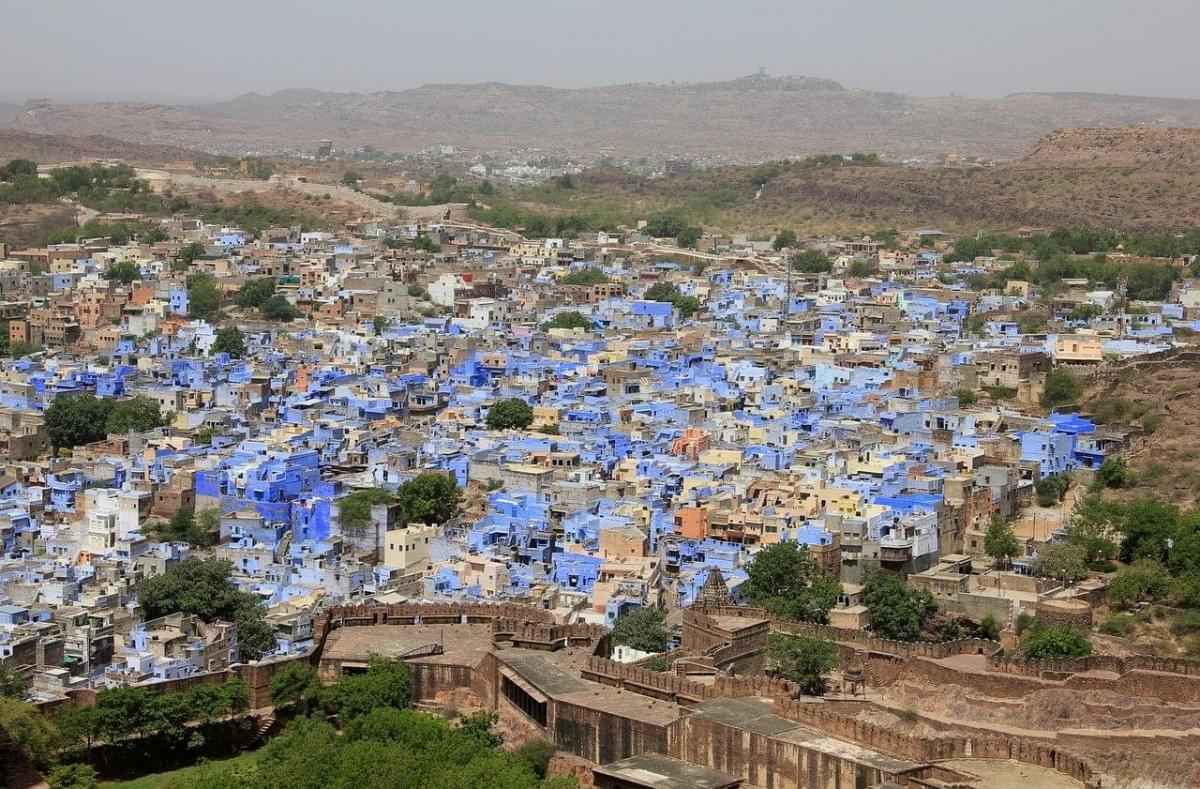 It is the capital of the Marwar region, not far from the Thar Desert, and the second largest city in the federated state of Rajasthan after Jaipur (846,408 inhabitants). Among Indian cities, it is known as 'the blue city' and it is easy to see why.
If one walks through the narrow streets of the old city, in fact, one immediately notices the dominant colour of the houses and buildings, which is a deep blue. This colour was once used to identify dwellings belonging to members of the Brahmin priestly caste. The Mehrangarh Fort is the city's main attraction. Dating back to 1458, it was the residence of the rulers and today houses the Mehrangarh Museum. Also worth a visit is the spectacular cenotaph of Jaswant Thada.
5 - Udaipur and City Palace
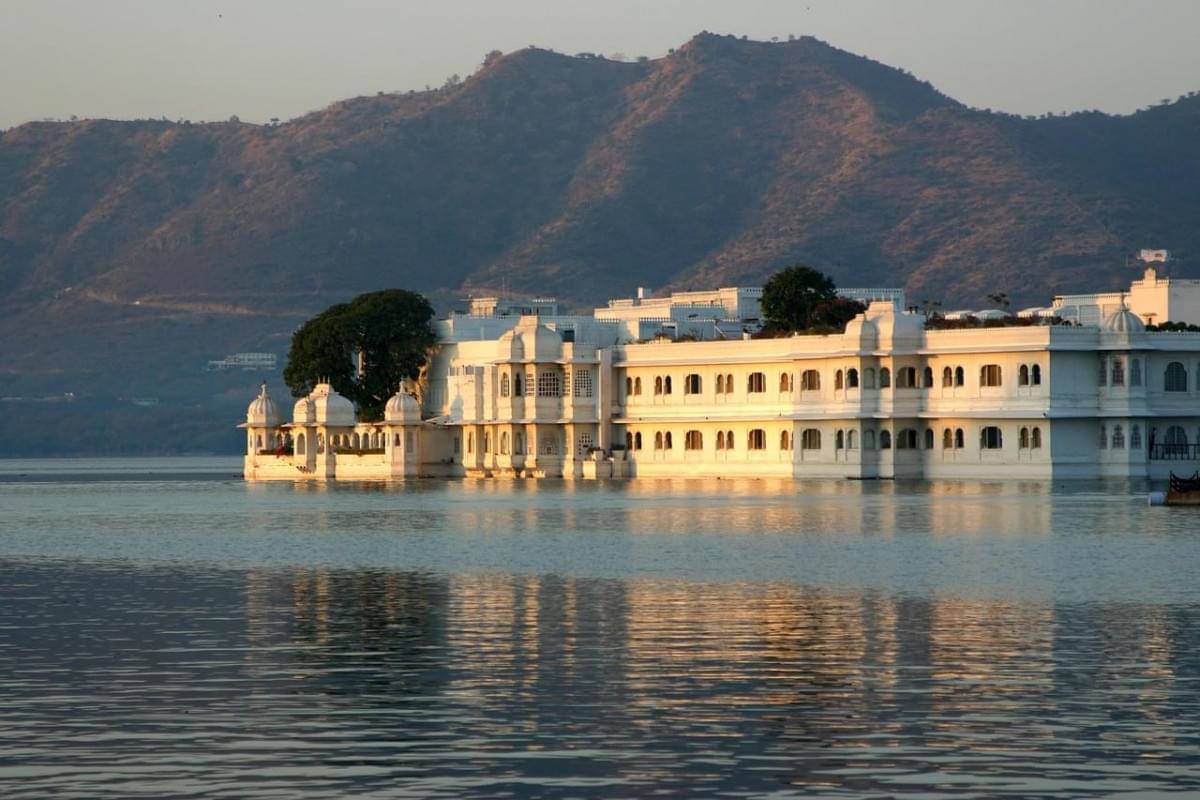 Udaipur is a city in North India, the capital of the district and division of the same name, located in the federated state of Rajasthan and with a population of about 400,000. Rich in history and culture, it is also famous for its scenic location and beautiful palaces, many of which are now luxury hotels, built in the Rajput era.
It is nicknamed'the Venice of the East' but is best known as the'white city' because of the colour of many of its buildings. A city of unparalleled charm, it overlooks the tranquil Lake Pichola, the largest of the six lakes in the area, and is rich not only in palaces but also in temples, traditional havelis (richly decorated aristocratic residences) and a maze of narrow streets. The main attraction is the City Palace (part luxury hotel, part museum and Crystal Gallery), followed by the Jag Mandir and the Monsoon Palace.
6 - Varanasi and the banks of the Ganges
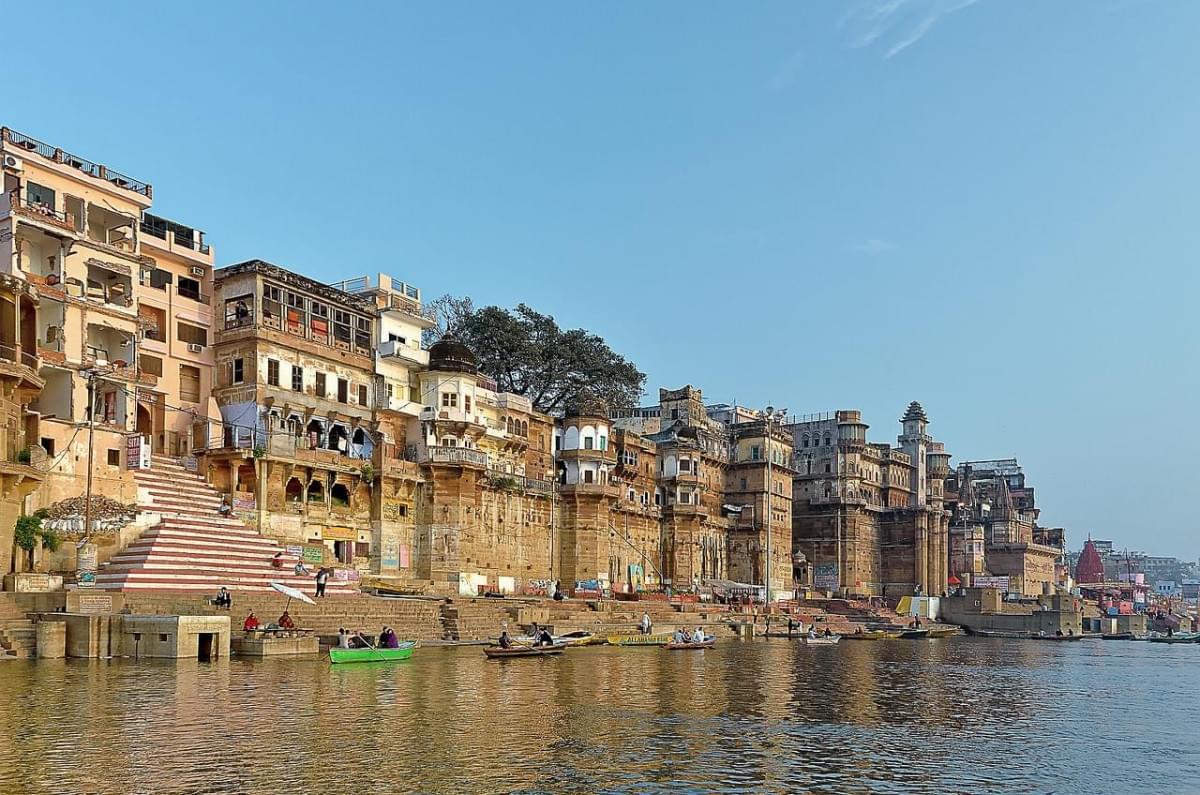 This is one of the most popular destinations for those travelling to India, especially in the north of the country. It is the holy city par excellence and one of the most beautiful and ancient centres not only in India, but in the whole of Asia. Varanasi overlooks the river Ganges, and by tradition every Hindu must reach the sacred city and bathe in its waters, at least once in his or her life.
Varanasi is also the place where the ashes of the dead are scattered, burning all day on the traditional cremation pyre. While for some the constant coming and going of worshippers and relatives of the departed may be something too much to bear and avoid, for others it is a truly unique mystical experience that is part of the country's special charm.
Among the must-see attractions are the Vishwanath Temple, the Nepali Hindu Temple, the Man Mandir Observatory and the Tulsi Manas Temple.
Varanasi is one of the few Indian destinations that is at its best during the hot season, i.e. between April and May, when various festivals and religious rituals are celebrated.
7 - Kolkata
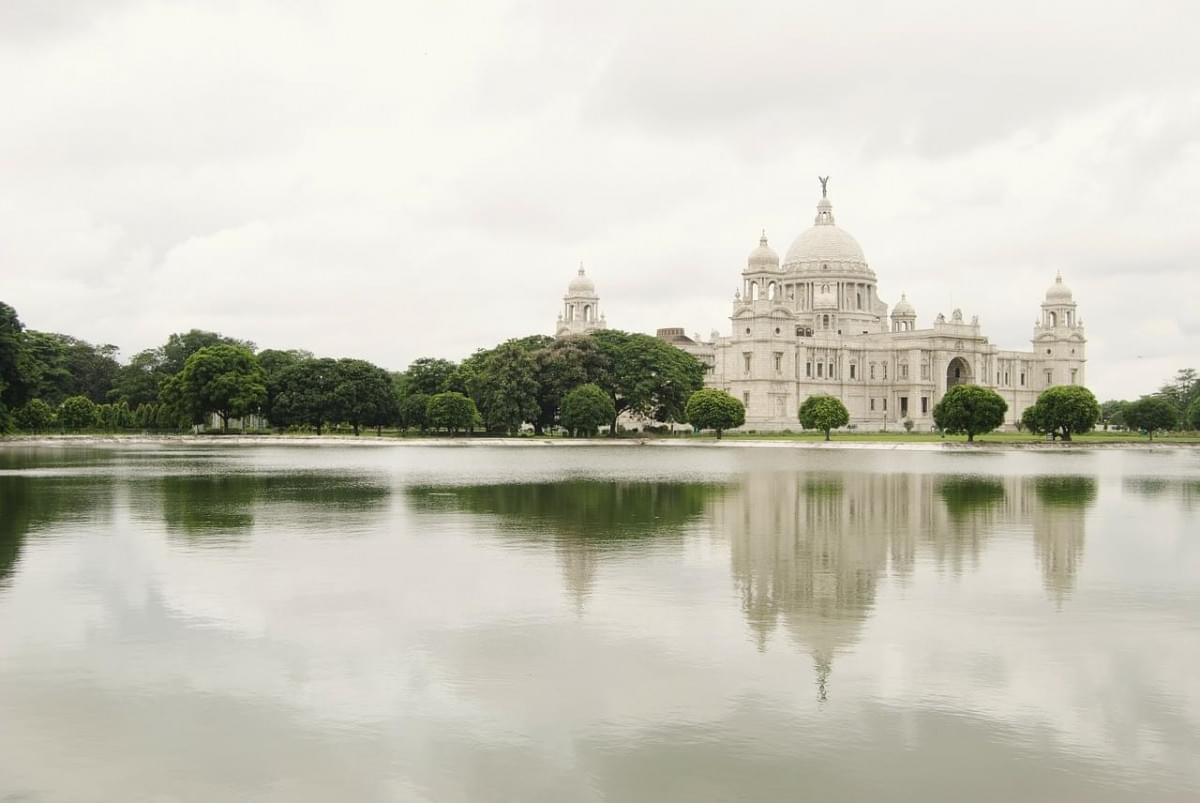 Kolkata isIndia's third largest city with a population of 4,486,679 and is the capital of West Bengal as well as the cultural capital of eastern India. It was the capital of the British territories until 1911, later replaced by Delhi. It lies along the Hooghly River (a branch of the sacred Ganges River) and is rich in monuments and places of interest, many of which are splendid vestiges of the Victorian era.
To the visitor it presents itself with a double face: nobility and poverty, culture and despair coexist in a context that is both futuristic and decadent. Stopping in Kolkata can be a truly scarring experience. It is certainly not a destination for everyone, especially those who are particularly sensitive to poverty and human suffering. Despite this, the city also has an intense intellectual, artistic and cultural character. It has a very ancient history and a marked spirituality, and is visited by many pilgrims who come to the Dakshineswar Kali Temple, undoubtedly the most important attraction along with the famous Victoria Memorial.
8 - Bangalore
 The high-tech hub city of Bangalore is located in the southern part of India and has become a booming cosmopolitan centre in terms of industry, nightlife and parks. It is the capital of the southern Indian state of Karnataka and the third largest city in the country, with a population of about 8 million.
It is one of the most progressive and developed cities in India, with a favourable climate, a modern urban transport system and a thriving social scene. Although there are no famous attractions, you will find beautiful parks and extraordinary Victorian architecture.
9 - Mumbai
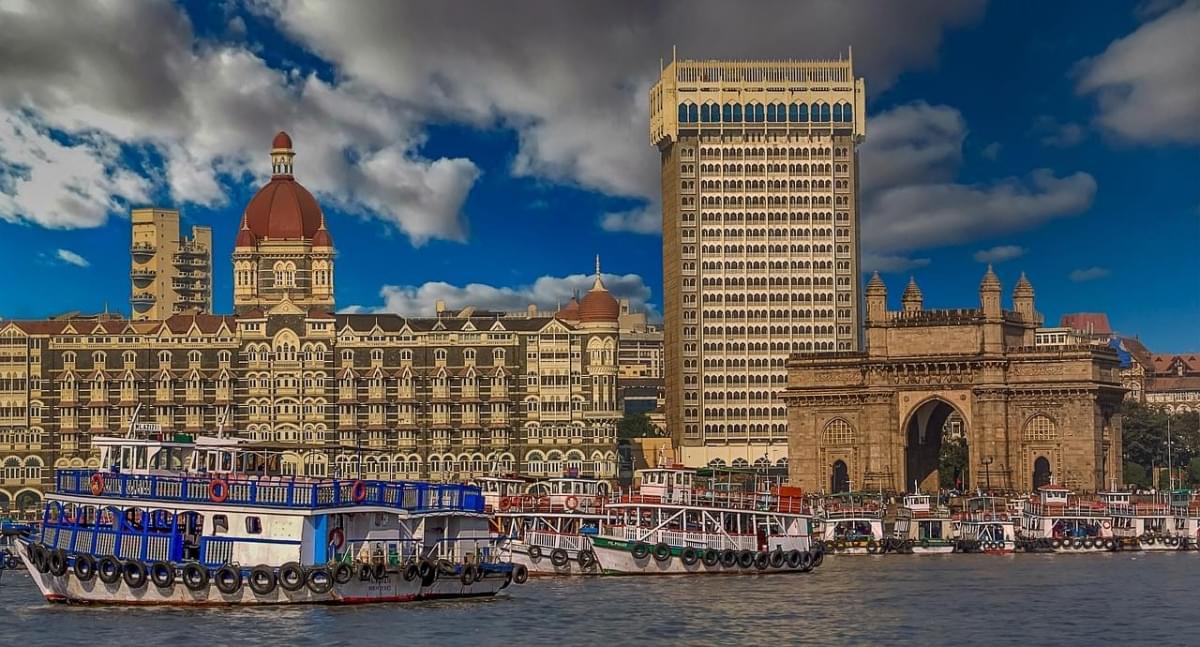 Mumbai (or Bombay) is the capital of the state of Maharashtra and India's second largest city. It has a population of 12,478,447 and is also among the most densely populated cities in the world. As India's main trading point, it has a particularly lively cultural life, as well as a thousand faces, from the more traditional one, with its typical small markets, to the one formed by contemporary skyscrapers and large shopping centres.
Its busy harbour is also known as the'Gateway to India', the Hindu temple Shree Siddhivinayak and the mysterious Elephanta Island, a UNESCO World Heritage site, are also not to be missed. Mumbai is also the entertainment and film capital of India; the world's largest film industry, the famous Bollywood, is based here.
10 - Chennai
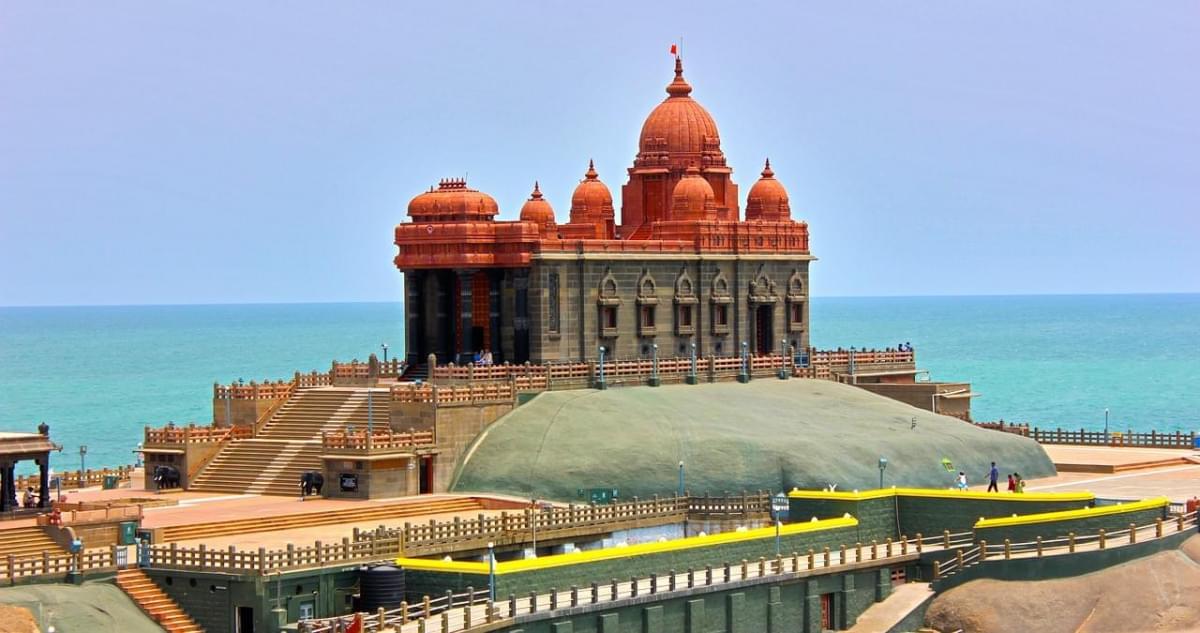 Chennai is the fourth largest city in the country, home to over four million inhabitants and also known as the'Gateway to the South'. Once called Madras, it is the capital of the state of Tamil Nadu and is home to the famous St. George Fort, a 17th century construction that represents the first fortification built by the East India Company.
The city was in fact an important trading port at the time.
It is a destination suitable not only for history buffs but also for those who want to discover local traditions: the Kapaleeswarar Temple is one of the most beautiful and distinctive Hindu temples, a riot of shapes and colours. Not only that, the city also satisfies those seeking a holiday of sun and sea: its Marina, in fact, consists of 13 kilometres of sandy beach overlooking the Bay of Bengal.
Recommended itineraries
For a short trip to India, we usually recommend visiting the Golden Triangle, the three most important cities: Dehli, Jaipur and Agra. If you have more time and budget, you can explore Rajasthan in more depth, adding Jodhpur, Udaipur, the sacred Pushkar Lake, the Jaisalmer desert and the temples with erotic depictions in Khajuraho to the itinerary.
Another highly recommended itinerary is Classic India, which combines a visit to the Golden Triangle and Rajasthan with a visit to the area of Varanasi and the Ganges River, an area of great spiritual interest where the famous Kumbh Mela pilgrimage is held every 12 years.
There are also some alternative itineraries that are a little less touristy, such as the East Coast tour between Calcutta, the Orissa region and the Rayagada district, the city of Similiguda, Lake Chilka and the village of Raghurajpur and the Vishakhapatnam subdivision; or the South tour between the state of Kerala, Pondicherry, Tanjore, Trichy, Madurai Cochin and sometimes the state of Goa.
7-day itinerary: Golden Triangle
Day 1: Morning arrival in Delhi, check-in at the hotel and city tour
Day 2: Exploration of Delhi and New Dheli, visiting the Red Fort, Raj Ghat, Jama Masjid Mosque, Humayun Mausoleum, Qutub Minaret, embassy area, government palace and presidential residence.
Day 3: Transfer to Jaipur, the Pink City, to admire the forts and impressive palaces, afternoon at leisure
Day four: day of excursions and tours in Jaipur, visiting the Amber Fort, the Hawa Mahal, the Maharaja's palace, and the Jantar Mandar Astronomical Observatory
Day 5: Transfer to Agra with a stop en route at the ghost town of Fatehpur Sikri. Arrival in the evening in Agra.
Day six: Visit to Agra with a tour of the Taj Mahal and the Agra Fort. After lunch return to Delhi
Day Seven: Return to Italy
How much does it cost? Price details
Price per person from: €1,560.00
Price includes: intercontinental flight round trip, all transfers as indicated, 6 overnight stays and breakfasts, 5 lunches and 5 dinners, entrance fees to the mentioned attractions, local guide in Italian language, medical insurance
Theprice does not include: airport taxes and fuel surcharge, India visa, meals not mentioned, drinks, tips and personal extras
Personalised quote: click here to request a personalised quote
Rajasthan + Agra itinerary: in case you have more time and budget, you can evaluate the expanded itinerary that in addition to the places indicated includes other cities and attractions of interest. The itinerary has a duration of 14 days and a cost per person of €2460.00 - click here to request a customised quote
10-day itinerary: Classic India

Day 1: Morning arrival in Delhi, check-in at the hotel and city tour. Qutub Minar, colonial quarter, India Gate, Safdarjung Mausoleum. Dinner, with possibility of Indian street food tasting tour, and overnight in Delhi
Day 2: End of the tour of Delhi, Old Delhi, Friday Mosque, Red Fort, Sikh temple. Lunch and departure for Jaipur. Dinner and overnight in Jaipur
Day 3: Photo stop at the Palace of the Winds, ascent by elephant to Amber Fort and visit, lunch in historic mansion, city palace, museum and astronomical observatory. Dinner and overnight in Jaipur
Day 4: Departure for Agra and stop at the Abhaneri well. Lunch break. Visit of Fatephur Sikri, ancient Mughal capital. Dinner and overnight stay in Fatephur Sikri.
Day 5: Visit of Agra, with Red Fort, mausoleum of Eimad-ud-Daula. Lunch and in the afternoon visit to the world-famous Taj-Mahal ( priority entrance ticket recommended). Dinner and overnight in Agra
Day 6: Travel by train to Orcha and visit the hidden treasure of Orcha, in particular the Jehangir Mahal. Lunch on the excursion. Continuation to Khajuraho where you will arrive in time for dinner and overnight stay
Day 7: Visit the Western Hindu temples famous for their erotic depictions. Late morning flight to Varanasi. First visit to the Ganges to witness the fire arts ceremony. Dinner and overnight in Varanasi
Day 8: Boat trip at dawn to witness the purification rites in the Ganges, walk through the alleys of the ancient city. Lunch. Visit to the archaeological site of Sarnath, site of the Buddha's first preaching. Dinner and overnight in Varanasi
Day 9: Visit the modern part of Varanasi, including the university, the temple of the goddess Durga and the Bharat Mata Mandir. After lunch, flight to Delhi. Dinner and overnight in the capital
Day 10: transfer to the airport in time for your flight back to Italy
How much does it cost? Price details
Price per person from: €2,150.00
The price includes: intercontinental flight round trip, internal flight Delhi-Varanasi round trip, all transfers indicated, train transfers, 8 overnight stays, full board except 2 meals, all entrance fees to the attractions mentioned, local guide in Italian, medical insurance
Theprice does not include: airport taxes and fuel surcharge, India visa, meals not mentioned, drinks, tips and personal extras
9-day itinerary: The Best of South India
Day 1: Arrival in Madras, check-in at the hotel and time at leisure for free activities or rest. Lunch and afternoon city tour, St. Thomas Church, waterfront, government buildings and Kapale-eshwara temple. Dinner and overnight in Madras
Day 2: Departure for Pondicherry. Stop for a visit to Mahabalipuram, an early example of Hindu temple art. Arrival in Pondicherry and visit the former French colony and the Sri Aurobindo Ashram. Dinner and overnight stay in Pondicherry
Day 3: Transfer to Tanjore and lunch en route. Visit to Tanjore, Brahadeshwara temple dedicated to Shiva and visit the bronze museum. Dinner and overnight in Tanjore
Day 4: Transfer to Trichy. Visit to the temple town of Srirangam. Continuation to Madurai with lunch en route. Arrival in Madurai in time to witness the sleeping ceremony. Dinner at leisure and overnight in Madurai
Day 5: Completion of the Madurai tour, temple dedicated to the goddess Meenakshi, museum and palace of Tirunalai Nayak. Lunch and transfer to Periyar Park. On arrival, visit to a spice plantation. Dinner and overnight in Periyar
Day 6: Transfer to the plains of Kerala. Accommodation at the hotel and afternoon at leisure for relaxation, swimming and Ayurvedic treatments. Possibility to participate in a Keralan cooking class. Dinner and overnight
Day 7: Boat cruise on the backwaters, the characteristic canals that criss-cross Kerala, lunch on board and arrival near Aleppey. Transfer to Cochin. Accommodation in the hotel. Dinner and overnight in Cochin
Day 8: Visit Cochin, the most cosmopolitan city in South India, the Chinese networks, the Dutch Palace, St. Francis Church, the Jewish quarter and the antique dealers' street. After lunch, dance performance. Late afternoon transfer to the airport
Day nine: departure for Italy by early morning flight
How much does it cost? Price details
Price per person from: €1,920.00
Price includes: intercontinental flight round trip, all transfers as indicated, the cruise in Kerala, 7 overnight stays, full board, all entrance fees to the attractions mentioned, local guide speaking Italian
The price does not include: airport taxes and fuel surcharge, India visa, meals not mentioned, drinks, tips and personal extras, India travel insurance
What to know for a Trip to India
Where it is and how to get there
Officially the Republic of India, it is a federal state in South Asia. With 3,287,263 sq km, it is the seventh largest state in the world by area and the second most populous after China. It is washed by the Indian Ocean to the south, the Arabian Sea to the west and the Bay of Bengal to the east. With a coastline stretching 7,517 km, it borders Pakistan, China, Nepal and Bhutan to the west; Bangladesh to the north-east and Myanmar to the east. Close neighbours, but separated by the Indian Ocean, are Sri Lanka to the south-east and the Maldives to the south-west.
Alitalia and Air India have direct flights between Rome and New Dehli, lasting about7 h 30 min. Other major airlines flying to India, with stopovers, are Qatar, Emirates, Oman Air, Lufthansa, British, Cathay, KLM, Singapore Airlines. In low season you can find great bargains at around €300.00(look at the offers), in high season (Christmas and New Year) it is close to €1,000.00.
Security, visa and necessary documents
Entry requirements: passport with residual validity of at least 6 months and two blank pages available. Tourist visa necessary to apply to the Indian Embassy in Rome
Vaccinations: yellow fever vaccination certificate for all travellers over 9 months of age from countries at risk of transmitting the disease. Recommended are diphtheria, hepatitis A and B, typhoid, tuberculosis, polio and a tetanus booster.
Restrictions: satellite equipment, two-way radios, telescopes prohibited. Flying unmanned aircraft such as drone, hot air balloon, paraglider, hang glider, microlight within a radius of 30 km around Vijay Chowk (city centre) in New Delhi is prohibited without permission from the Indian Authority. Use and introduction of electronic cigarettes into the country prohibited
Security: frequent episodes of petty crime against tourists; high terrorism alert; risk of natural disasters during the monsoon period. Consult the official Farnesina website
Useful advice: rely on a good tour operator or local agency and take out a good insurance policy that also covers health expenses. The usual precautions are always valid, such as avoiding places of possible demonstrations, not hitchhiking, etc.
Getting around
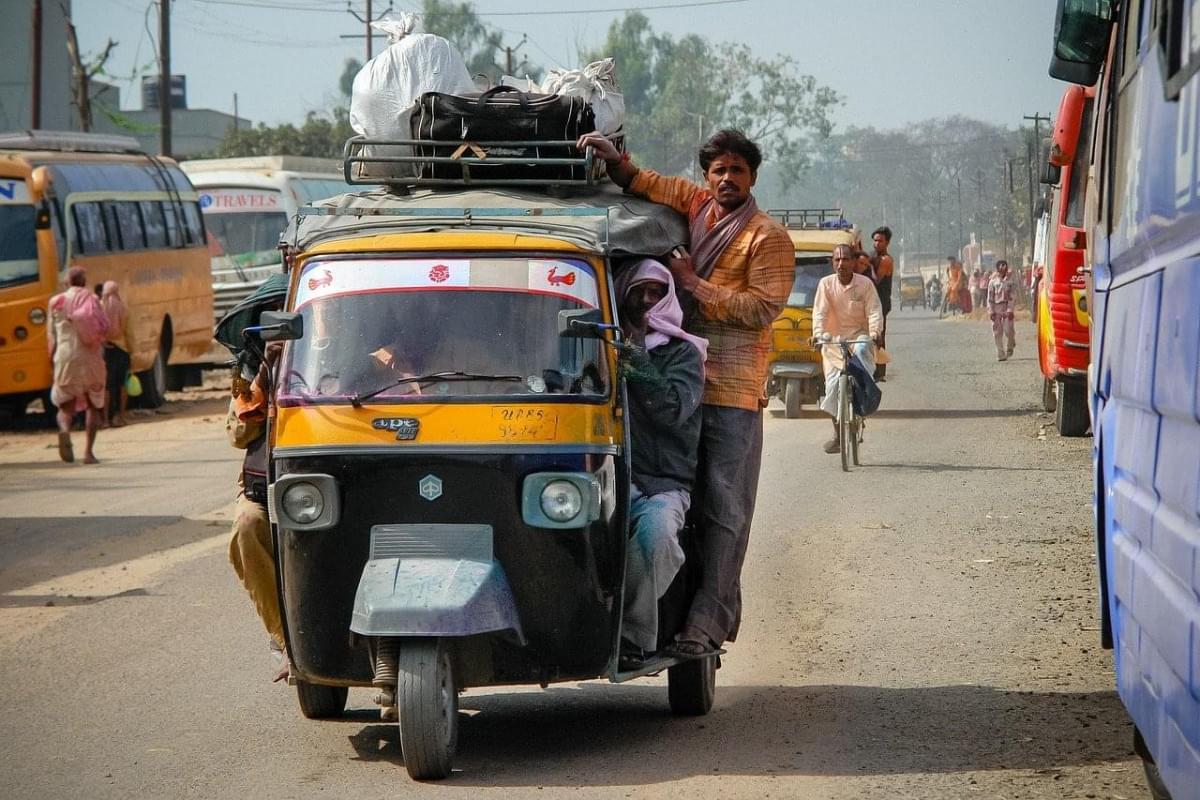 It is generally better to buy an all-inclusive tour with transport included.
In the case of do-it-yourself travel, take advantage of internal flights for long distances (e.g. Dehli-Varanasi from €35.00, 50 min flight) and hire a local driver for transfers between attractions (average €35.00/40.00 per day per car).
Impractical to hire: Indian roads are constantly invaded by animals, people and all kinds of vehicles!
Trains and buses are generally not recommended because of frequent delays, long travel times and poor hygienic conditions (e.g. Dehli-Varanasi by bus or train takes an average of 6 hours, ticket €5.00).
Where to sleep
Important premise: the quality level of Indian accommodation is not like ours. If you want good (not luxury) accommodation, never go below 4 stars(hotels and b&b from €20.00 per room - look at the offers)
The country offers a wide range of accommodation for all types of travellers.
They range from cheap hostels for a few hundred rupees, especially suitable forbackpackers, to princely hotels.
Where possible, we suggest staying in the characteristic havelis, ancient merchants' dwellings built between the 17th and 20th centuries and now converted into hotels.
The same variety of types and prices also exist in the south. Eco lodges are very popular, but there is no shortage of luxurious resorts where you can be pampered with Ayurvedic massages, and even spartan hunts on the beaches.
Lately, the concept of'guesthouses', B&Bs and'homestays' has also been developing. In addition to the comfort of a medium-level accommodation, these offer the possibility of coming into direct contact with the local culture.
Where to eat
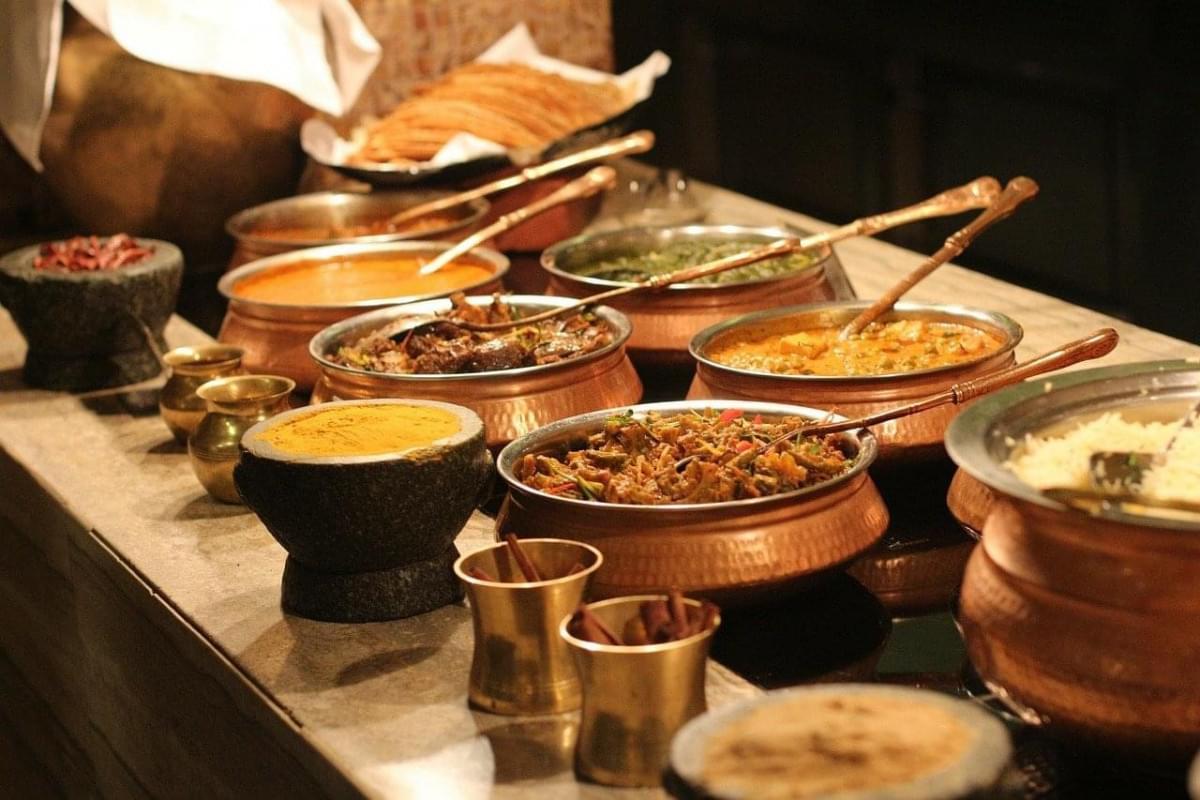 Indian cuisine is predominantly vegetarian. The only meat available is chicken; fish is found in the south in seaside resorts. Cow meat and pork are non-existent.
Remember that the food is always very spicy and hot. Always say'No Spicy and No Hot'.
There is a wide choice of places to eat. Street-food and humble places usually frequented by Indians are cheap but we advise against them because of the questionable hygienic conditions.
On the other hand, in a good restaurant, western in decor and atmosphere, with table linen and cutlery, you spend around €7.00/€8.00 per person.
In the larger cities, there is no shortage of international cuisine (Italian, Chinese, Thai) and fast-food options.
Ubiquitous on the menus: Dosa and Samosa (appetisers), biryani rice seasoned with vegetables, spices or chicken, Dal Makhni based on lentils, Palak paneer (spinach and cheese). Thali is a complete meal served on a single tray. The bread is delicious and has countless names depending on how it is baked or seasoned. The most popular type is naan, baked in the tandoori oven, which can be flavoured with'chees naan' cheese, onions or spices.
How to pay
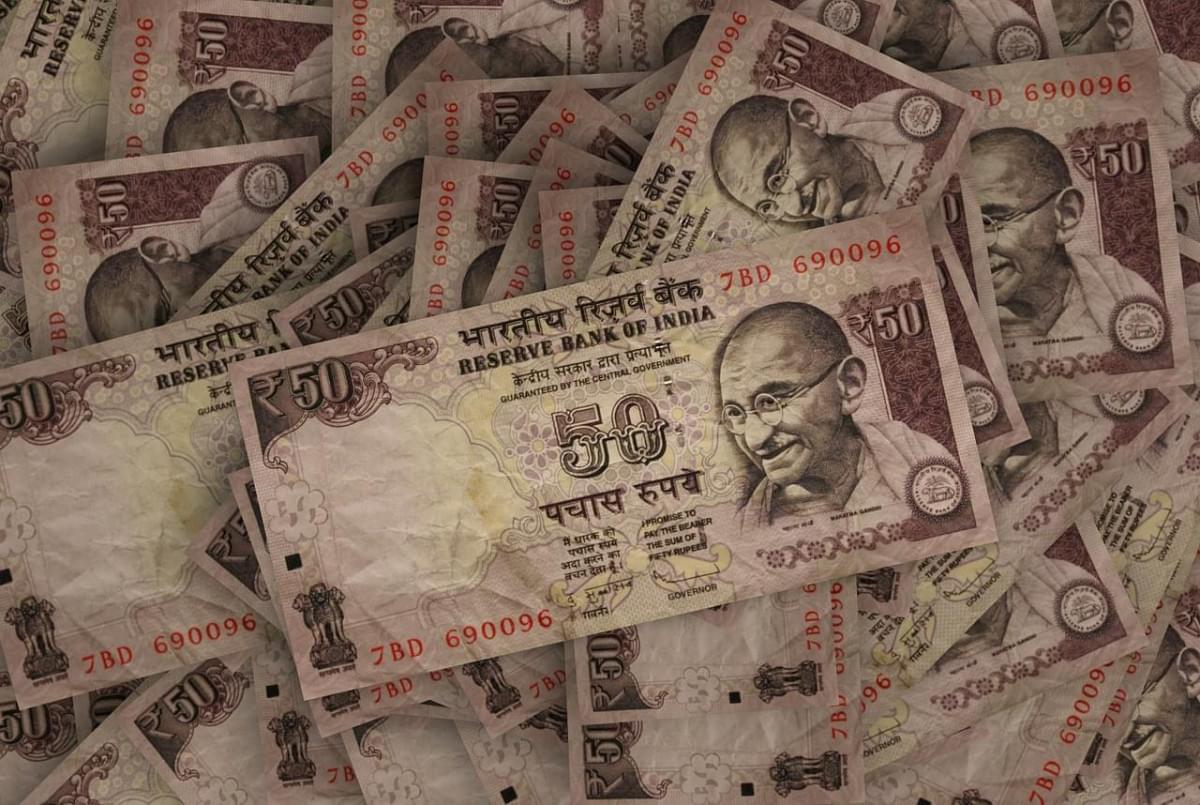 The local currency is the Indian Rupee, €1.00 = HI 82.22.
It is advisable to carry some cash (euro) but not too much. Both currencies can be changed easily: banks, travel agencies, hotels, change money are the best places to exchange money. Exchange rates at the airport are always inconvenient; on arrival, therefore, change as little as you need to get to your hotel.
The ATM is the best, safest and most convenientoption. Consider a fee of 100-200 rupees (about €1.20/2.40) per transaction, plus any commissions from your bank (to be contacted before leaving). Rely on private sector ATMs such as HDFC, Axis, ICICI, IndusInd, Kotak, Yes or CitiBank. ATMs in India dispense a maximum of 10,000 rupees per transaction (about €140.00).
Credit cards are rarely accepted, except in large cities and in luxury hotels and restaurants.
It is not permitted to import Indian currency into India, let alone export it.
Other tips
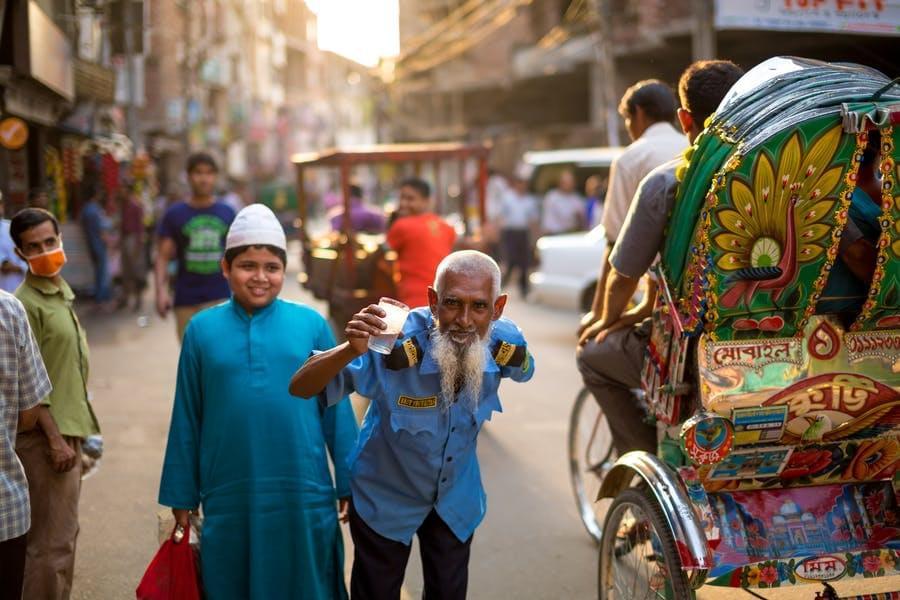 "/> Having a good guide or a local person at your side is indispensable: he or she can advise you on the best restaurants for the Italian palate (spicy is really hot), help you buy tickets for the various attractions by checking that they don't give you crumpled up and unusable notes or give you the wrong change, help you cross the street on foot (the traffic is really intense) and much more!
Bring shoes and clothes that you will then throw away; in sacred areas, even those outside like the ghats, along the sacred rivers, you walk barefoot, and you must remember that cows are sacred. That means you find yourself walking on.... anything!
Rules of conduct
To introduce yourself, simply join hands and say'Namaste'.
When introducing oneself, men must never shake a woman's hand.
Women should dress appropriately, with shoulders and legs covered. Prefer loose-fitting clothes so as not to highlight body shapes.
Avoid wearing the local dress, the saree, as it may be offensive.
Always remove shoes when entering temples, visiting sacred places (e.g. ghats) and entering private residences.
Women who smoke or drink alcohol are considered prostitutes.
Never eat with the left hand, which is used only for personal hygiene, never eat from other people's plates or dishes.
Blow your nose into a handkerchief without being seen. It is normal for Indians to 'snasper on the ground'; blowing your nose into a handkerchief and putting it back in your pocket is considered dirty.
Do not touch or point at people or statues with your feet as they are considered the unclean part of the body.
Avoid stepping over people sitting on the ground.
Anger and rage manifested too excessively are perceived negatively. Whatever situation you find yourself in, never lose your smile: it will be the best way to get what you want.
No effusions in public. Do not hug or hold hands in the street, especially if you are of the opposite sex. Kissing in public is even forbidden by law.
No chivalry. Offering your help or giving up your seat on the bus to a woman, like other forms of kindness and chivalry, can be considered an insult.
India is a homophobic country and all sexuality is still a taboo subject. Homosexuality is considered an offence and is punished by law; however, two men can hold hands while walking in conversation.
Do not carry Indian rupees outside India, as it is considered illegal.