by Robert Goodman
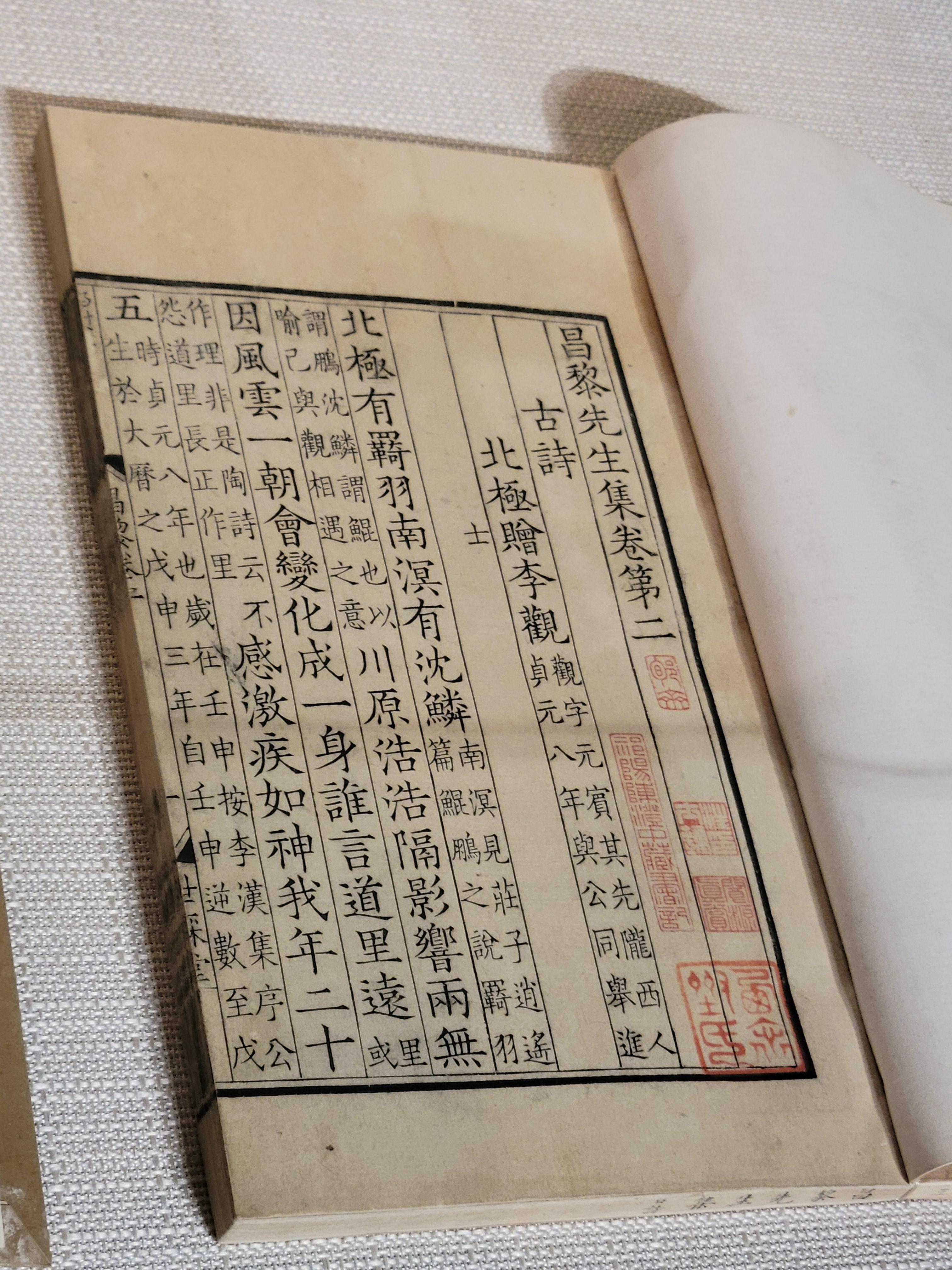
A few people still remember when offset printing revolutionized book production. Offset was easy and fast; it produced high-quality printing; it could be interlaced with new prepress technologies; and it was considerably less expensive than letterpress printing. From the middle of the twentieth century until today, most books have been printed using offset technology.
A Glance at Digital Printing
Over the last decade or two, digital printing technology has emerged as an alternative to offset. It promises to replace offset printing for many of the books that PMA members produce. It extends many of the advantages that offset offered. It is easier and faster; it produces pages of very acceptable quality; it is inseparably linked to computers and all the digital equipment that publishers take for granted; and, under the right conditions, it is more cost effective than offset printing. Over time, digital printing will almost certainly accelerate the evolution of book production.
What Digital Presses Can Do

Commercial digital presses are cousins to the inkjets and laserjets almost everyone uses for everyday printing, although they are quite a bit larger and more robust. Most commercial digital presses print on sheets or rolls of paper, as offset presses do. Many of them can print and collate multiple copies of books in minutes. They can be fired up almost immediately. They don’t need to be cleaned, prepped, or inked every time they are used. And they make it feasible to print ultrashort runs. Although unit costs are high when you print just a few copies at a time, there’s less of a shock to your cash flow than a necessarily longer offset run would cause.
Defining Demand
Publishers also use digital presses to print copies as they are demanded—i.e., ordered and paid for. The Lightning Source subsidiary of Ingram Industries is the best known but not the only example of an “on demand” printer. These printers work directly with established publishers. They function as part of both the production chain and the distribution chain. Publishers submit files, usually in PDF format. The printer uses the files to fulfill a paid order by producing a physical book or books, and then it ships the order to the purchaser, which is usually a bookstore. Publishers can update their book files when necessary, but for the most part, they can stand back and remain interested spectators in the transaction.
Publishing Services for Authors
In addition to serving established publishers, digital printing technology has also enabled so-called POD companies to provide production services for individual authors. These companies offer to “publish” authors’ books for a fee by producing and selling digitally printed copies—usually to the authors themselves and other individuals—primarily via their websites. It's worth mentioning that POD companies are often mistaken for offering self-publishing services, leading to some disadvantages and criticisms in the industry.
The Changing Publishing Landscape
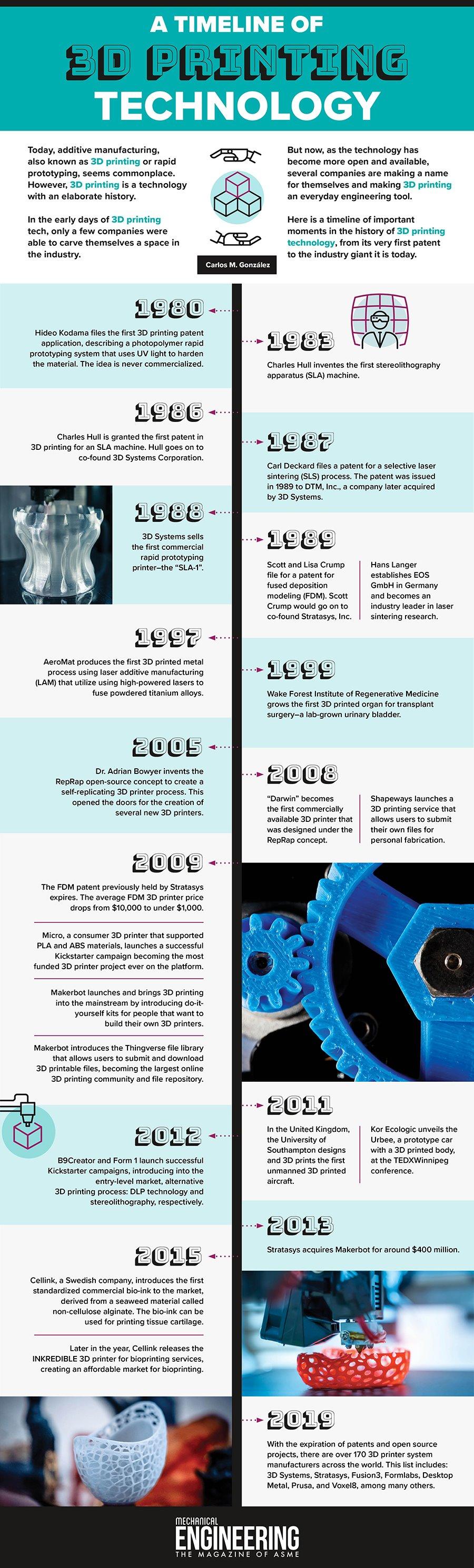
Five or ten years from now, the publishing landscape will look very different, in large measure because of digital printing technology. Sooner than that, publishers will hopefully stop using the term POD to mean whatever they want it to mean. It's important to understand that the technology does not erase the differences among the various applications it makes possible.
In conclusion, digital printing has transformed the way books are produced and has opened up new possibilities for publishers, authors, and readers. With advancements in technology, we can expect even more innovation in the coming years.
Hotels have also benefited greatly from technological advancements. From online booking platforms to smart room systems, technology has greatly improved the guest experience and streamlined hotel operations. With digital printing, hotels can even print personalized materials for their guests, such as customized welcome letters or informational brochures. The possibilities are endless, and digital printing is just one example of how technology continues to shape various industries, including publishing and hospitality.